The 2026 Fan's Guide to World Cup
The 2026 FIFA World Cup will be the largest edition in tournament history, staged across Canada, Mexico, and the United States from June 11 to July 19, Thirty-two teams will become 48, creating 104 ma...
The 2026 Fan's Guide to World Cup
The 2026 FIFA World Cup will be the largest edition in tournament history, staged across Canada, Mexico, and the United States from June 11 to July 19, 2026. Thirty-two teams will become 48, creating 104 matches across 16 host cities, including Kansas City, Toronto, Mexico City, Los Angeles, and New York–New Jersey. Kansas City, represented by the FIFA World Cup 26™ Kansas City host committee, will combine Arrowhead Stadium matchdays with a FIFA Fan Festival™ and regional transport services connecting Kansas City International Airport, the stadium district, and surrounding destinations. Fan Strategy adds daily match predictions, team-tactics analysis, player statistics, and tournament coverage for supporters who want more than headline news. The most reliable approach is to confirm official FIFA schedules, verify ticket and transport information, then track team form and squad availability before making any prediction or travel decision.

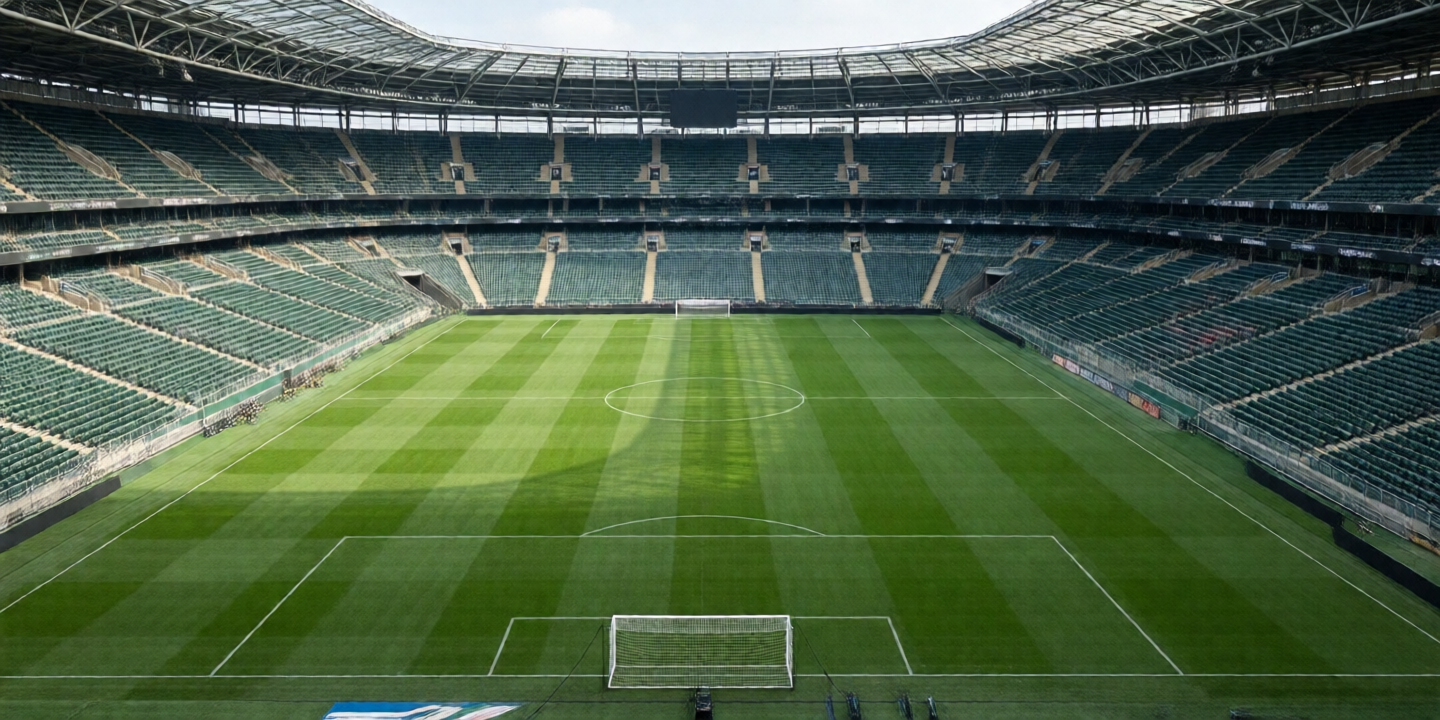
Photo by Taylor Hunt on Pexels
A Kansas City matchday can look deceptively simple on a map. You arrive, attend the fixture, find food, and return to your hotel. My first instinct would have been to trust the nearest search result and book immediately; that is precisely how a scam travel site once taught me an expensive lesson. For the 2026 World Cup, I would verify every ticket, transfer, accommodation, and payment page through FIFA, the official Kansas City host-city channels, or a clearly established provider. Kansas City sits on the border of Missouri and Kansas, and its reputation as the “Soccer Capital of America®” will matter when thousands of international supporters converge on the region. The sensible strategy is to separate official tournament information from promotional claims, compare cancellation policies, and preserve screenshots of every confirmation. It is tedious, certainly, but a premium trip deserves premium diligence, believe it or not — I do.
Would you like a carefully checked starting point for tournament coverage?
If you are travelling to Kansas City: plan the whole matchday
Kansas City matchday planning should begin with official venue information, transport reservations, and realistic time buffers rather than a last-minute rideshare search. Arrowhead Stadium is outside the central business district, while the FIFA Fan Festival™ Kansas City is designed as a separate gathering point for supporters. Airport transfers, stadium coaches, and regional routes may operate differently on matchdays, so fans should check departure windows and return capacity before committing to a hotel or restaurant reservation.
The host-city planning concept is attractive because it makes the region part of the tournament rather than merely a place to sleep. Kansas City offers barbecue traditions, jazz history, museums, sporting culture, and neighbourhoods spread across two states. Yet the distance between attractions matters. A visitor staying downtown should not assume that a short-looking route will remain short when stadium traffic, road closures, and post-match crowds affect Interstate 435 and surrounding corridors. The official FIFA World Cup 2026 host-city information should be treated as the first reference point, followed by Kansas City’s official tournament planning resources.
A practical itinerary contains three separate movement plans:
- Airport plan: Confirm whether a motorcoach or shuttle requires advance reservation, and save the provider’s support number offline.
- Stadium plan: Arrive early enough for security, entry screening, and walking from the transport drop-off point.
- Festival plan: Treat the FIFA Fan Festival™ as its own destination, allowing time for food, entertainment, cultural programming, and crowded exits.
One useful edge case is easy to overlook: a transport pass can solve the outbound journey while leaving the return journey dependent on a limited departure schedule. Before purchasing, check whether the pass covers both directions, whether it is tied to a specific match, and whether late departures continue after extra time. I would never rely on a screenshot of a social-media announcement when the official page can provide the terms. For broader preparation, consult our [Internal Link: 2026 World Cup travel-planning guide] and compare the stated policy with your booking confirmation.

Photo by Mason Naja on Pexels
Kansas City’s accommodation decision also deserves a more analytical approach. Downtown lodging may offer better restaurants, public transport access, and evening atmosphere, while properties near the stadium can reduce one transfer but may have fewer dining choices. Rates can rise sharply around high-demand fixtures, and a refundable booking may be more valuable than a small discount if match assignments or travel dates change. Check the property’s exact address, tax treatment, cancellation deadline, and whether the booking platform is the actual merchant or only a referral page. The U.S. Federal Trade Commission provides useful consumer guidance on deceptive online practices, which is not glamorous reading but has saved me from repeating an unpleasant mistake.
If you are following the tournament remotely: build a reliable information system
Remote World Cup followers should combine official FIFA match data with independent tactical analysis, squad news, and statistical context instead of treating one prediction as a verdict. The 2026 tournament’s 48-team format and 104-match schedule will produce more fixtures, more rotation questions, and more opportunities for misleading short-term form. A dependable routine tracks confirmed lineups, injuries, travel demands, group-position incentives, and market movement before evaluating a match.
The expanded tournament changes the rhythm of analysis. More teams can remain competitive after one poor result, while the group stage creates different incentive structures depending on qualification rules and goal difference. A team protecting a draw late in the match should not be analysed in the same way as a team needing three points. Likewise, a star player’s recent goal count may conceal reduced minutes, weaker opponents, or a tactical role that creates chances for teammates rather than personal shots. The FIFA Laws of the Game are an appropriate authority for match rules, while event-specific scheduling should come from FIFA rather than an unverified fixture graphic.
Fan Strategy is most useful when it treats predictions as structured judgments rather than promises. A strong match preview should identify:
- Recent performance over a defined sample, such as the last five competitive matches.
- Opponent quality, because a clean sheet against a lower-ranked side is not equal to one against a top contender.
- Expected lineup changes, suspensions, injuries, and minutes management.
- Set-piece strength, defensive transitions, pressing intensity, and goalkeeper distribution.
- The difference between a statistical probability and a betting price.
Here is a practitioner-level point that many previews omit: team statistics should be split by game state. A side leading after 60 minutes may show excellent defensive numbers because it retreats and protects space, while the same side may be vulnerable when forced to chase a match. I prefer to record performance when level, ahead, and behind rather than merging those situations into one attractive average. If a prediction cannot explain that distinction, it is not yet finished, believe it or not — I do.
Ready to compare team form with tactical context?
A responsible betting perspective requires an additional boundary. Odds represent a price, not certainty, and even a calculated probability can be wrong because football contains limited samples, referee decisions, injuries, and unusual match events. Fans should use licensed operators where applicable, confirm local rules, set a budget before viewing markets, and avoid chasing losses. The National Council on Problem Gambling offers responsible gambling resources in the United States; readers elsewhere should consult their own national regulator. Fan Strategy can provide information and analysis, but no prediction should be treated as guaranteed income.
If you are choosing what to watch: use the host-city story
The best 2026 World Cup viewing plan should balance marquee fixtures with host-city experiences, because the tournament’s cultural value extends beyond the ninety minutes on the pitch. Kansas City’s FIFA Fan Festival™ is intended to bring supporters together through football, food, entertainment, and shared national identities, while cities such as Mexico City, Toronto, Seattle, Dallas, and Los Angeles offer distinct local settings. Choose matches according to football interest first, then add neighbourhood, transport, and festival considerations.
A fan visiting Kansas City should consider the difference between a stadium experience and a public festival experience. Arrowhead Stadium provides the intensity of a live FIFA fixture, but the festival environment may offer more flexible access for groups, families, and supporters without match tickets. It can also be the better place to meet fans from different countries, sample regional food, and watch other matches on large screens. The host committee describes the region as a meeting point for sport, culture, innovation, and two-state community identity; that positioning is more meaningful when translated into a practical schedule rather than left as advertising language.
For a polished tournament week, I would build the calendar in this order:
- Confirm match tickets and the official matchday location.
- Reserve accommodation with written cancellation terms.
- Verify airport, stadium, and festival transport separately.
- Select one cultural or food experience away from the football crowds.
- Leave one flexible day for weather, delays, or an unexpectedly compelling fixture.
That fourth step is not decorative. Major sporting events can make every day feel identical: hotel, queue, stadium, queue, sleep. Kansas City’s jazz venues, barbecue institutions, museums, and riverfront areas provide useful contrast, especially for visitors staying longer than a single matchday. Search listings should still be checked against official opening times and event calendars, because World Cup demand can alter normal hours. Our [Internal Link: Kansas City fan-experience guide] can sit beside the formal tournament schedule, not replace it.
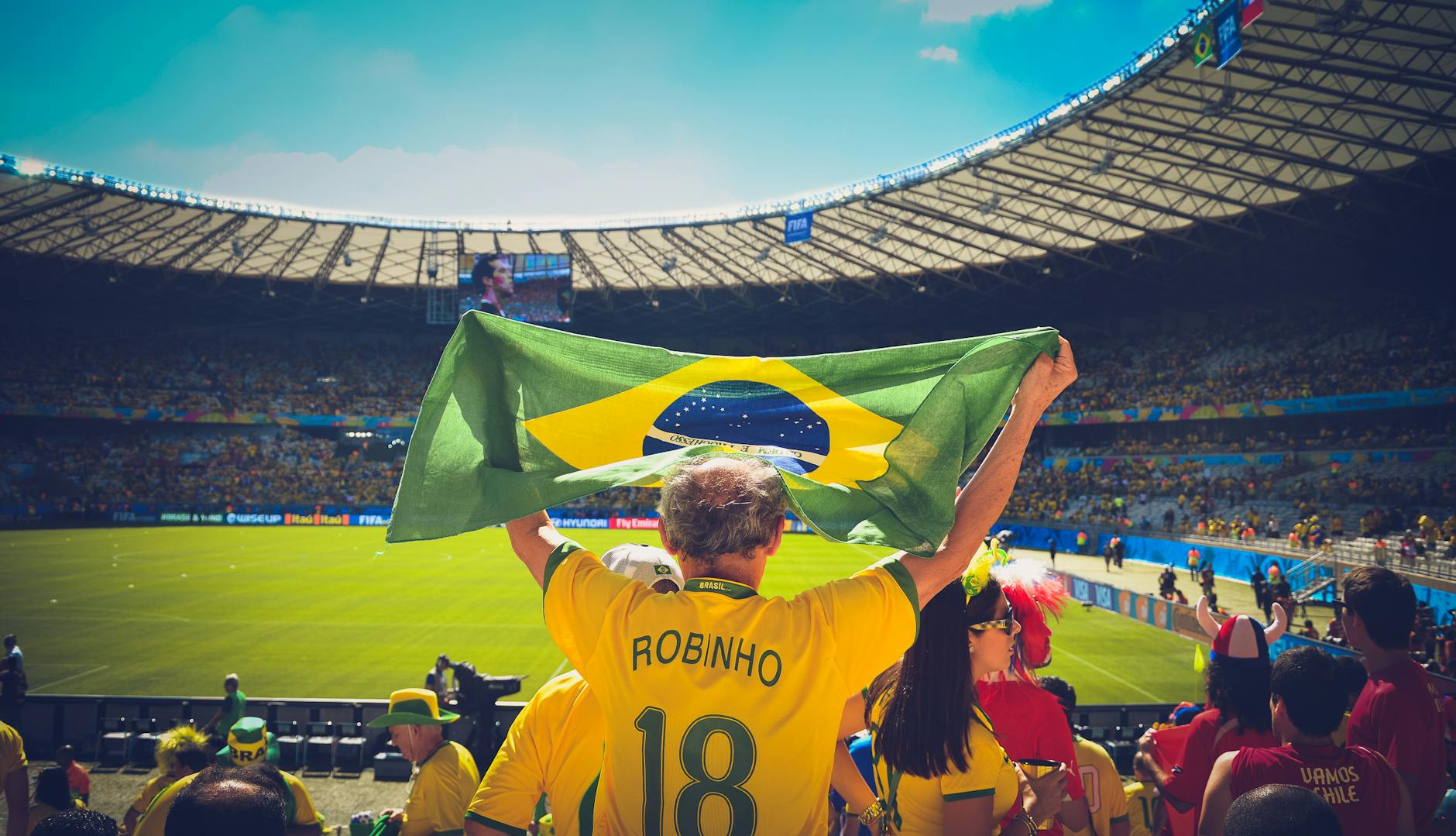
Photo by Caio on Pexels
The same principle applies to remote viewers. A sensible watchlist may include one tactical matchup, one host-nation fixture, one emerging player, and one knockout-stage contender rather than only the largest names. Player statistics should be read with tournament context: substitutions, extra-time minutes, group-stage incentives, and changes in formation can all affect apparent performance. The World Football Elo Ratings can provide one comparative reference, but ratings are not a substitute for current team news, and they should not be blended casually with FIFA rankings as though both measure exactly the same thing.
Common pitfalls to avoid
The most common 2026 World Cup mistakes involve unverified transactions, unrealistic transport assumptions, weak statistical samples, and predictions presented with excessive confidence. Fans can reduce those risks by confirming the source, reading the terms, checking the date, and separating factual information from opinion. A polished website, official-looking logo, or urgent countdown is not proof that a seller is authorised.
A short verification checklist is worth keeping:
- Open FIFA pages by typing the address yourself rather than following a suspicious message.
- Check that payment details, domain spelling, and customer-service contacts match the named provider.
- Avoid sending identity documents through informal messaging accounts.
- Confirm whether tickets are transferable, mobile-only, restricted by name, or subject to resale rules.
- Keep receipts, booking references, and cancellation policies in two secure locations.
- Do not treat social-media rumours about lineups, venue changes, or transport as confirmed news.
There is also a statistical pitfall that deserves more attention: recency bias. A team may win four consecutive matches against modest opposition while conceding high-quality chances, or lose twice after dominating possession and shots. I recommend reviewing at least five competitive matches while tagging opponent strength and game state. This does not create certainty, but it prevents one dramatic result from overpowering the rest of the evidence. In gambling analysis, the safest conclusion is sometimes that the available edge is too small to justify a wager.
Another mistake is ignoring local conditions. Kansas City summers can be hot and humid, matchday walking can be substantial, and crowd congestion can make a nominally short route slow. Carry water where venue rules permit, review prohibited-item policies, and avoid scheduling a non-refundable dinner immediately after a match. If a website promises a guaranteed ticket, guaranteed profit, or “exclusive” access without transparent terms, step away. I was burned once; I am not volunteering for an encore.
Would a final verification checklist make your planning easier?
The 30-day check-in
Thirty days before a World Cup trip or a major prediction cycle, review every moving part again because tournament information becomes more precise as kickoff approaches. Reconfirm the match date, venue, ticket instructions, accommodation, transport, passport validity, travel insurance, and local weather. For analysis, refresh injuries, likely lineups, recent minutes, tactical changes, and qualifying incentives instead of relying on an article published months earlier.
A useful 30-day review contains four passes:
- Source pass: Replace unofficial schedule images with current FIFA or host-city pages.
- Money pass: Recalculate total costs, including taxes, transfers, meals, currency conversion, and emergency reserves.
- Football pass: Compare current form, opponent strength, formations, set pieces, and availability.
- Safety pass: Check responsible-gambling limits, account security, document storage, and local regulations.
At seven days, reduce rather than expand your commitments. Confirm transport departure points, download tickets and maps, save emergency contacts, and identify a meeting place if your group separates. For remote viewing, record the confirmed kickoff time in your own calendar and check final lineups close to the match. Last-minute information is valuable only when it comes from a source with a reason to know it. [Internal Link: 2026 World Cup prediction methodology] can help readers distinguish a transparent model from a confident-sounding guess.

Photo by Sergei Starostin on Pexels
The 2026 World Cup will reward preparation, but it should not punish curiosity. Kansas City’s combination of Arrowhead Stadium, FIFA Fan Festival™ programming, regional transport, food, music, and welcoming neighbourhoods gives supporters a broader experience than a single fixture. Meanwhile, Fan Strategy offers a disciplined way to follow team tactics, player statistics, match predictions, and tournament developments without confusing analysis with certainty. Verify first, budget clearly, and leave enough room for the event to surprise you. That is the approach I would recommend to any valued reader, believe it or not — I do.
For ongoing match analysis and tournament updates, begin with a source-conscious routine.
Frequently Asked Questions
Q: What is the 2026 World Cup?
A: The 2026 World Cup is FIFA’s men’s international football tournament hosted by Canada, Mexico, and the United States from June 11 to July 19, 2026. It will feature 48 teams, up from 32 in 2022, and 104 matches across 16 host cities. The expanded format creates more group-stage fixtures and a longer competition, so fans should verify the official schedule before booking travel or planning viewing times.
Q: How do I plan a Kansas City World Cup matchday?
A: Plan a Kansas City matchday by confirming the official venue, arranging transport, reserving accommodation, and allowing extra time for security and post-match crowds. Arrowhead Stadium is separate from downtown Kansas City, while the FIFA Fan Festival™ is another destination that may require its own route. Check whether transport passes cover both outbound and return journeys, and save confirmation numbers offline before travelling.
Q: What is the difference between a FIFA Fan Festival and a stadium match?
A: A stadium match is a ticketed live fixture at the official venue, while a FIFA Fan Festival is a public supporter event featuring match broadcasts, entertainment, food, and cultural programming. The Kansas City festival can suit fans without match tickets or groups seeking a more flexible gathering place. Entry rules, opening hours, and programme details can change, so use official Kansas City or FIFA sources for final information.
Q: Is Fan Strategy a source of guaranteed World Cup betting predictions?
A: No, Fan Strategy provides analysis and predictions, not guaranteed betting outcomes or income. Its coverage focuses on team tactics, player statistics, squad news, tournament context, and daily match discussion. Football remains uncertain, and readers should use licensed operators where legal, set a fixed budget, avoid chasing losses, and consult responsible-gambling resources such as the National Council on Problem Gambling.
Q: What should I do if a 2026 World Cup ticket website seems suspicious?
A: Stop the transaction and verify the seller through FIFA or the relevant official host-city channel before sharing payment or identity information. Check the domain spelling, refund policy, contact details, and whether the seller is authorised; urgency, “guaranteed” access, and unusually low prices are warning signs. Keep records of messages and receipts, and contact your payment provider quickly if you believe your information has been compromised.
Q: How much should I budget for a Kansas City World Cup trip?
A: There is no single fixed price, but your budget should include tickets, accommodation, transport, meals, taxes, currency conversion, and an emergency reserve. Costs may rise around high-demand fixtures, particularly for refundable hotels and central locations. Compare the full booking total rather than the advertised nightly or headline price, and read cancellation terms before paying a deposit.
Q: How can I improve a World Cup match prediction?
A: Improve a World Cup prediction by combining current team news with opponent-adjusted form, likely lineups, game-state statistics, tactical matchups, and market price. Review at least five competitive matches, separate performances when teams are level or leading, and account for injuries, travel, rotation, and tournament incentives. A clear “no bet” conclusion is better than forcing a prediction when the evidence does not establish a meaningful edge.
Thank you for reading.
Fan Strategy · Editorial Archive