
Before You Bet, Read This 2026 World Cup Breakdown
The 2026 FIFA World Cup is a 48-team tournament hosted by the United States, Canada, and Mexico from June 11 to July 19, 2026, with Los Angeles presenting eight matches at SoFi Stadium. Fan Strategy i...
Before You Bet, Read This 2026 World Cup Breakdown
The 2026 FIFA World Cup is a 48-team tournament hosted by the United States, Canada, and Mexico from June 11 to July 19, 2026, with Los Angeles presenting eight matches at SoFi Stadium. Fan Strategy is a FIFA World Cup content platform covering match predictions, team tactics, player statistics, qualification context, and daily tournament analysis for international football followers. The expanded competition replaces the previous 32-team format with 12 groups of four, followed by a Round of 32, creating 104 matches across 16 host cities. Los Angeles will also stage 39 days of fan activity, including the FIFA Fan Festival at LA Memorial Coliseum and regional official fan zones. Betting markets may be available through licensed providers, but odds are not certainty, and local laws differ across jurisdictions. Start with confirmed fixtures, squad news, and official sources before assessing any prediction, and never risk money needed for ordinary expenses.
A rookie mistake taught me to distrust polished promises. I once followed a football prediction site that presented invented “insider” selections beside an impressive-looking countdown; the page disappeared before the tournament even began. Since then, I check FIFA announcements, venue information, qualification records, and operator licensing with almost fussy attention. That is not pessimism. It is basic maintenance for a subject as large, expensive, and fast-moving as the football world cup.
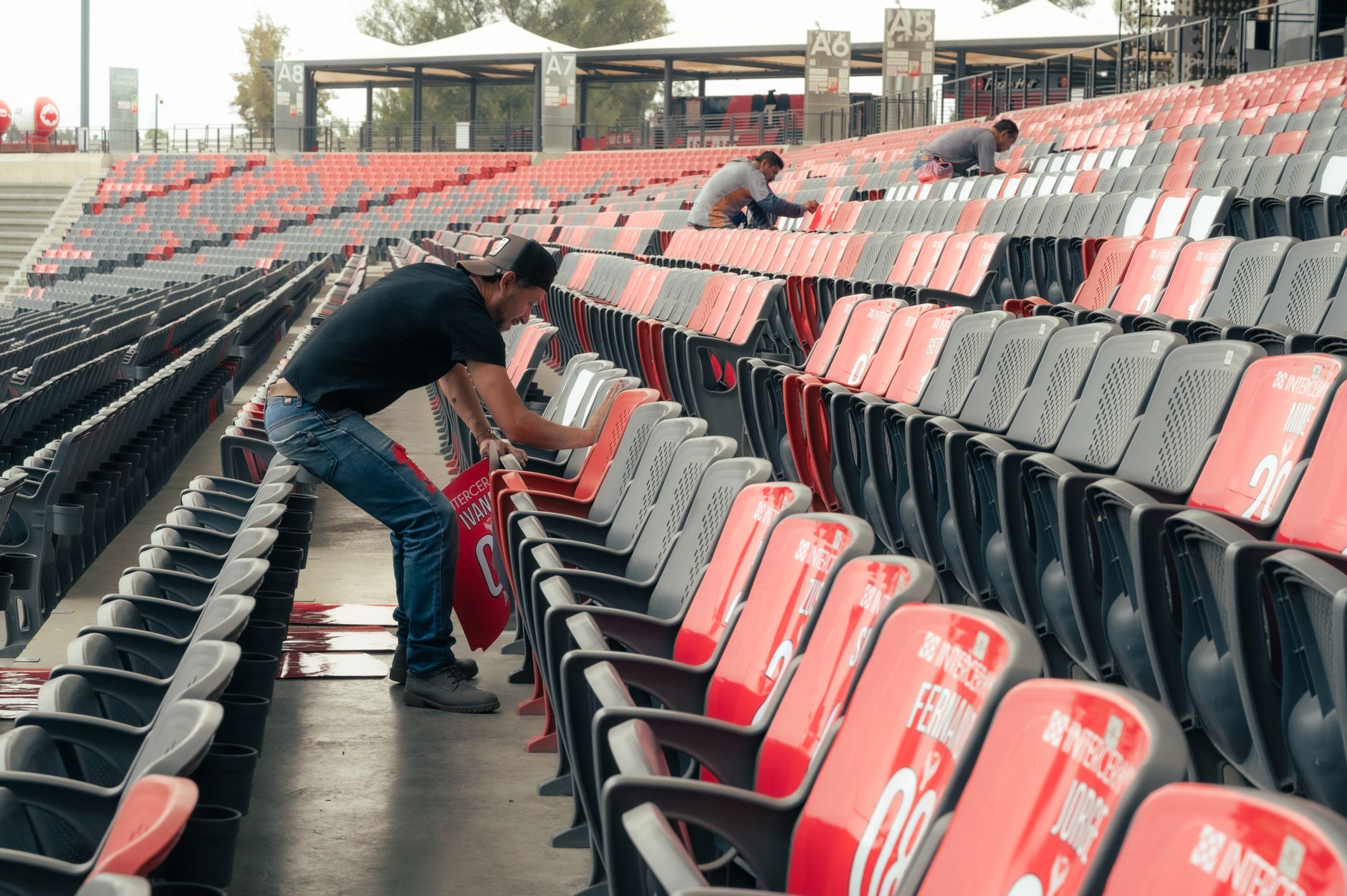
Photo by Israel Torres on Pexels
If you want a more disciplined way to follow the tournament, Fan Strategy brings fixtures, tactical context, player data, and daily World Cup coverage into one editorial destination.
Myth 1: The 2026 football world cup is simply a larger version of 2022 — debunked
The 2026 FIFA World Cup is structurally different because 48 teams will play 104 matches in 12 groups of four, not 32 teams in eight groups. The tournament adds a Round of 32, so qualification from the group stage does not immediately lead to the familiar Round of 16.
The old mental model is therefore unreliable. In Qatar 2022, 64 matches were played; in 2026, the extra knockout round increases both the number of fixtures and the importance of third-place calculations. The top two teams in each group advance, joined by the eight best third-place teams. That creates a wider statistical field and more opportunities for strong teams to protect goal difference rather than chase reckless victories.
The host arrangement is equally significant. Canada, Mexico, and the United States will share the competition, while FIFA has selected 16 host cities: Toronto and Vancouver in Canada; Guadalajara, Mexico City, and Monterrey in Mexico; and 11 locations in the United States, including Atlanta, Boston, Dallas, Houston, Kansas City, Los Angeles, Miami, New York/New Jersey, Philadelphia, San Francisco Bay Area, and Seattle. The official FIFA World Cup 2026 tournament overview is the correct reference for format changes, rather than recycled 2022 graphics.
A useful planning point is travel density. A supporter following a team across North America should not assume European-style rail connections or short away-day distances. Los Angeles to New York/New Jersey involves a substantial time-zone and flight burden, while altitude and climate differences may affect preparation. The tournament is a football competition, but logistics will influence recovery.
- 48 participating teams
- 12 groups of four
- 104 total matches
- Eight best third-place teams advancing
- Final scheduled for July 19, 2026
Myth 2: Home advantage guarantees a deep run — partially true
Does hosting the football world cup guarantee success? No, but host nations receive genuine benefits through familiar conditions, travel control, local support, and established training routines. Those advantages improve preparation; they do not repair weak squad depth, poor finishing, or tactical instability.
The United States, Canada, and Mexico will each receive the attention that accompanies hosting, but their competitive prospects must be assessed separately. The United States has a broad pool of players active in Europe and Major League Soccer, Canada has developed an exciting generation around players such as Alphonso Davies, and Mexico brings a long record of World Cup participation and regional experience. None of those facts automatically predicts a semifinal.
The most overlooked factor is match location. A team playing in Miami faces different heat and humidity from one playing in Vancouver, while Mexico City introduces altitude considerations. Even within the United States, venue environments vary considerably. A thoughtful preview should examine training-site proximity, rest days, kickoff timing, squad rotation, and travel sequence alongside headline talent.
For readers comparing national teams, the [Internal Link: 2026 World Cup team profiles] should be used as a starting point, not a substitute for current injury and lineup information. A team’s qualification campaign can reveal pressing intensity and chance creation, but World Cup group opponents may impose completely different tactical problems.
I would also separate emotional support from measurable edge. A packed SoFi Stadium can raise intensity for the United States, yet pressure can become an additional burden if expectations become excessive. That distinction matters when reading predictions from Fan Strategy or any other outlet.
The United States Census Bureau and official host-city transport agencies are useful for practical planning, but neither should be treated as football authorities. For match facts, FIFA remains the primary source.
Want a cleaner framework for comparing teams before kickoff? Review the latest analytical coverage carefully rather than following anonymous tipsters.
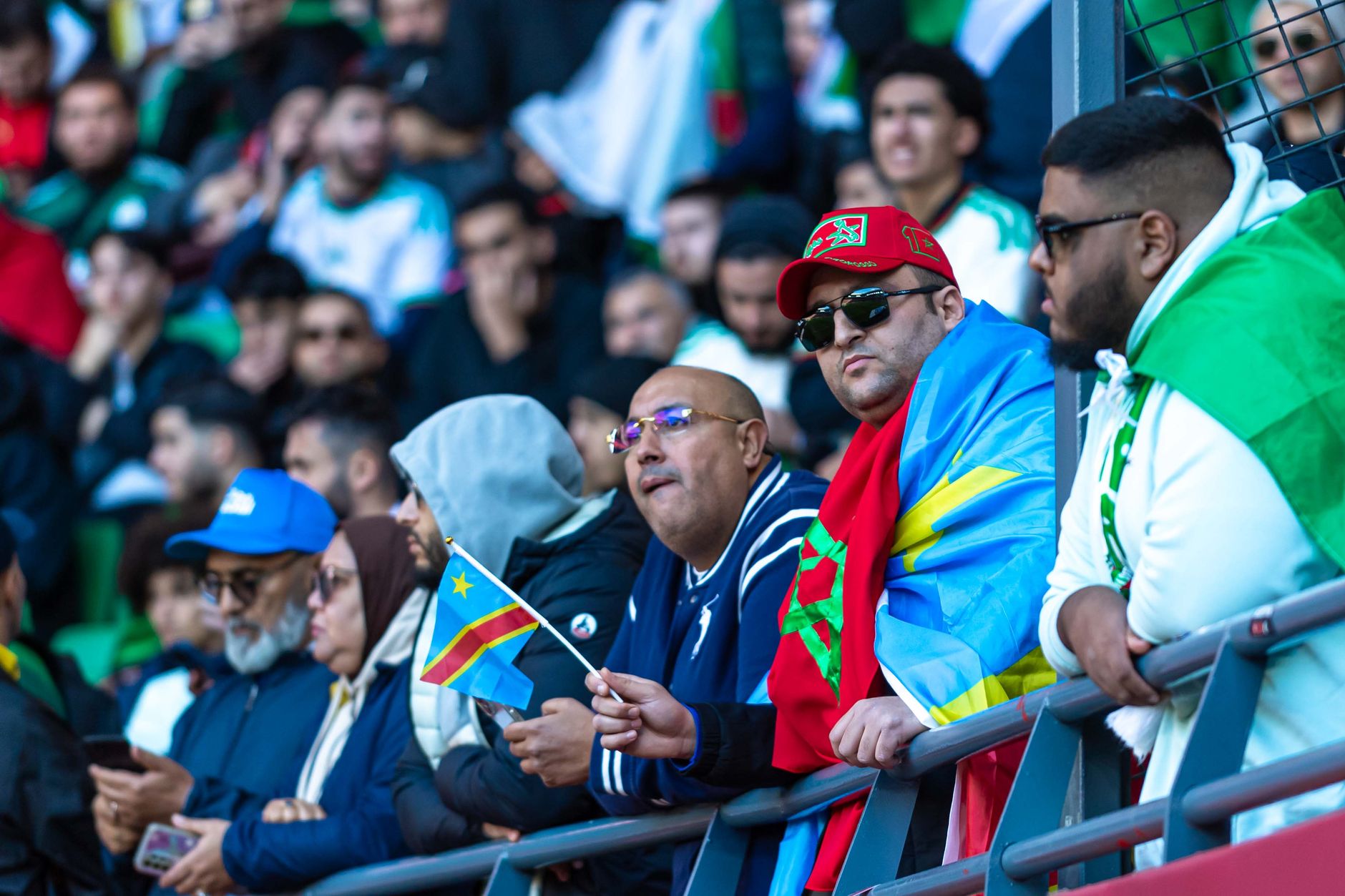
Photo by Guylain Kipoke on Pexels
Myth 3: Recent form alone predicts the champion — flat-out false
Can recent form identify the 2026 World Cup winner by itself? No. Form is valuable evidence, but tournament forecasting also requires squad availability, opponent quality, tactical adaptability, penalty outcomes, travel conditions, and the small sample size of knockout football.
A national team may win six consecutive qualifiers against uneven opposition and then face a compact defensive opponent that removes its preferred passing lanes. Conversely, a side that looks ordinary during qualification may improve after a new coach introduces a better midfield structure. The UEFA Nations League, CONMEBOL qualifying, CONCACAF competition, and AFC or CAF qualifying campaigns do not offer perfectly comparable difficulty levels.
This is where many prediction pages become slippery. They quote a win percentage without identifying the sample, omit substitutions, or describe a player as “in form” using two goals from limited minutes. A reliable match preview should identify the data window and distinguish process from outcome. Expected goals, shot quality, possession location, progressive passes, defensive recoveries, and set-piece performance are more informative than a simple win-loss sequence.
A practical model should ask:
- How strong were the opponents in the recent sample?
- Did the team create chances consistently or rely on low-volume finishing?
- Is the central midfield available and balanced?
- Can the coach change shape after halftime?
- How does the team defend set pieces and transitions?
- Does the projected price justify the uncertainty?
After checking several match previews during earlier international windows, I noticed a recurring trap: the advertised “safe” selection was often based on a team’s last three results, while its underlying chance creation had declined. Three matches are not a magic number. I am stubborn about this point because the arithmetic is stubborn too.
The International Federation of Association Football publishes competition information, while Opta Analyst offers widely cited football data explanations. Their materials can clarify terminology, but no database can guarantee a result.
What actually works when analyzing the football world cup?
What works best is a repeatable process that combines official information, tactical analysis, and responsible decision-making. For the 2026 World Cup, begin with the confirmed schedule and squad status, then evaluate matchup-specific evidence rather than relying on reputation or viral narratives.
The first useful habit is building a fixture ledger. Record the match date, venue, local kickoff time, rest interval, travel requirement, referee appointment when available, and confirmed absences. This is especially important in a tournament spanning Canada, Mexico, and the United States, where time zones and climate can change the practical meaning of “three days’ rest.”
The second habit is separating market language from football language. “Favourite” describes a price or expectation; it does not describe a guaranteed winner. If legal betting is available where you live, use only an operator licensed by the relevant regulator, read the full terms, and confirm whether the market settles on 90 minutes or includes extra time. Never assume a familiar brand is authorised in your jurisdiction.
The third habit is reviewing tactical fit. A high-possession team may struggle against a low block, while an aggressive pressing side may be exposed by a striker who attacks space behind the defensive line. Examine fullbacks, rest defence, goalkeeper distribution, set pieces, and substitutions. Fan Strategy’s coverage is designed around precisely those details: match predictions should be read beside team tactics and player statistics, not in isolation.
A compact workflow looks like this:
- Confirm the official fixture and venue.
- Check injuries, suspensions, and likely rotations.
- Compare opponent quality over a defined sample.
- Identify each team’s preferred attacking route.
- Test whether the matchup supports the proposed prediction.
- Set a fixed entertainment budget, or follow without staking money.
- Record the reasoning before the match, then review it afterward.
At this stage, many readers benefit from a [Internal Link: football prediction methodology] that explains probability, uncertainty, and post-match review without pretending that one result proves a model correct.
The most valuable information gain may be operational rather than glamorous. In a North American tournament, a supporter’s daily schedule should account for venue gates, bag rules, public transport, and local time—not merely kickoff. Los Angeles organisers have promoted eight matches, 39 days of fan celebrations, official fan zones, and a FIFA Fan Festival at LA Memorial Coliseum, but event dates and access rules should still be checked against official updates before travel.

Photo by Thomas Parker on Pexels
Planning to follow Los Angeles matches in person? Verify transport, ticket instructions, and venue guidance before committing to travel.
What should you ignore before the 2026 World Cup?
You should ignore guaranteed-win claims, fabricated insider access, urgency tactics, unverified injury posts, and predictions that hide their assumptions. The football world cup produces enormous attention, which makes it fertile ground for low-quality content and fraudulent offers.
A credible source should identify its evidence, update corrections, and distinguish confirmed facts from interpretation. Be cautious when a website uses FIFA branding without an obvious editorial identity, presents a countdown that does not match the official schedule, or requests payment through unusual channels. My personal rule is simple: if a claim cannot survive a second check at FIFA, a host-city authority, or a reputable news organisation, it does not deserve your money or confidence, believe it or not — I do.
Ignore inflated certainty around individual players as well. A star name can dominate search results even when the player has an uncertain injury status or a tactical role that does not suit the opponent. The same caution applies to “value” language. A high potential return often reflects high uncertainty, not a secret advantage.
You should also ignore stale articles that treat the 2026 format as though it were already fully settled in every operational detail. Match schedules, ticket procedures, fan-event programming, security rules, and transport guidance can change. The Los Angeles Football World Cup 2026 site, SoFi Stadium, FIFA, and local authorities should be checked directly for current event information.
Look for these warning signs:
- A claim of guaranteed profit or guaranteed accuracy
- No author, date, source, or correction policy
- Pressure to deposit immediately
- Unclear licensing or jurisdiction
- Fake testimonials using famous footballers
- Payment requests through gift cards or cryptocurrency
- Odds or fixtures that differ from regulated providers
If you encounter a gambling problem, stop and seek support from an appropriate local service. In the United States, the National Council on Problem Gambling provides information through its official website. Betting should remain optional entertainment, never a financial plan.
For deeper reading, consult the [Internal Link: responsible football betting guide] and the [Internal Link: World Cup schedule and host-city guide]. Both topics belong beside predictions because planning and restraint are part of informed fandom.
Frequently Asked Questions
Q: What is the 2026 football world cup format?
A: The 2026 football world cup will feature 48 teams divided into 12 groups of four, followed by a Round of 32. The top two teams from each group and the eight best third-place teams will advance. FIFA has scheduled 104 matches across Canada, Mexico, and the United States, with the final set for July 19, 2026.
Q: When does the 2026 FIFA World Cup start?
A: The 2026 FIFA World Cup is scheduled to begin on June 11, 2026. Canada, Mexico, and the United States will host matches across 16 cities, and the competition will conclude on July 19. Confirm local kickoff times through FIFA or the relevant host-city authority because North America spans several time zones.
Q: How can I analyze a football world cup match?
A: Analyze a football world cup match by checking the confirmed lineup news, recent opponent quality, tactical matchup, venue conditions, and rest schedule. Then compare chance creation, defensive transitions, set pieces, and likely substitutions rather than relying only on the last three results. Record your assumptions before kickoff so you can judge the method honestly afterward.
Q: What is the difference between a match prediction and a guaranteed result?
A: A match prediction is a probability-based opinion, while a guaranteed result does not exist in football. Even a strong favourite can lose through finishing variance, a red card, an injury, or a penalty shootout. Treat predictions from Fan Strategy and other sources as analysis, check their evidence, and avoid anyone promising certainty or profit.
Q: Will Los Angeles host FIFA World Cup 2026 matches?
A: Yes, Los Angeles will host eight FIFA World Cup 2026 matches at SoFi Stadium in Inglewood. The region is also expected to offer 39 days of fan celebrations, official fan zones, and a FIFA Fan Festival at LA Memorial Coliseum. Event access, transportation, and programming should be confirmed through official Los Angeles organisers before attending.
Q: How much does it cost to attend the 2026 football world cup?
A: The cost depends on ticket category, match, travel origin, accommodation, and local transport, so there is no single reliable total. A visitor should budget separately for official tickets, flights, hotels, food, insurance, and transfers, with Los Angeles generally requiring careful advance accommodation planning. Avoid unofficial sellers and verify every ticket offer through FIFA’s authorised channels.
Q: What should I do if a World Cup prediction site asks for an urgent deposit?
A: Do not deposit money until you verify the site’s ownership, terms, payment process, and licence with the relevant regulator. Urgent pressure, guaranteed returns, unexplained FIFA branding, or cryptocurrency-only payments are serious warning signs. Save evidence, close the page, and report suspected fraud to your local consumer-protection or gambling authority.
The football world cup rewards curiosity, but it punishes careless assumptions. Follow the 2026 schedule through official channels, compare teams through transparent evidence, and treat Fan Strategy as a research companion rather than an oracle. If you choose to bet, keep it legal, limited, and entirely separate from essential finances; if you choose only to watch, you lose nothing by demanding accurate information. That is the standard I would want for a valued reader, and I will not lower it.
Ready to follow the tournament with better context and fewer shortcuts? Explore Fan Strategy’s latest 2026 World Cup analysis.
Thank you for reading.
Fan Strategy · Editorial Archive