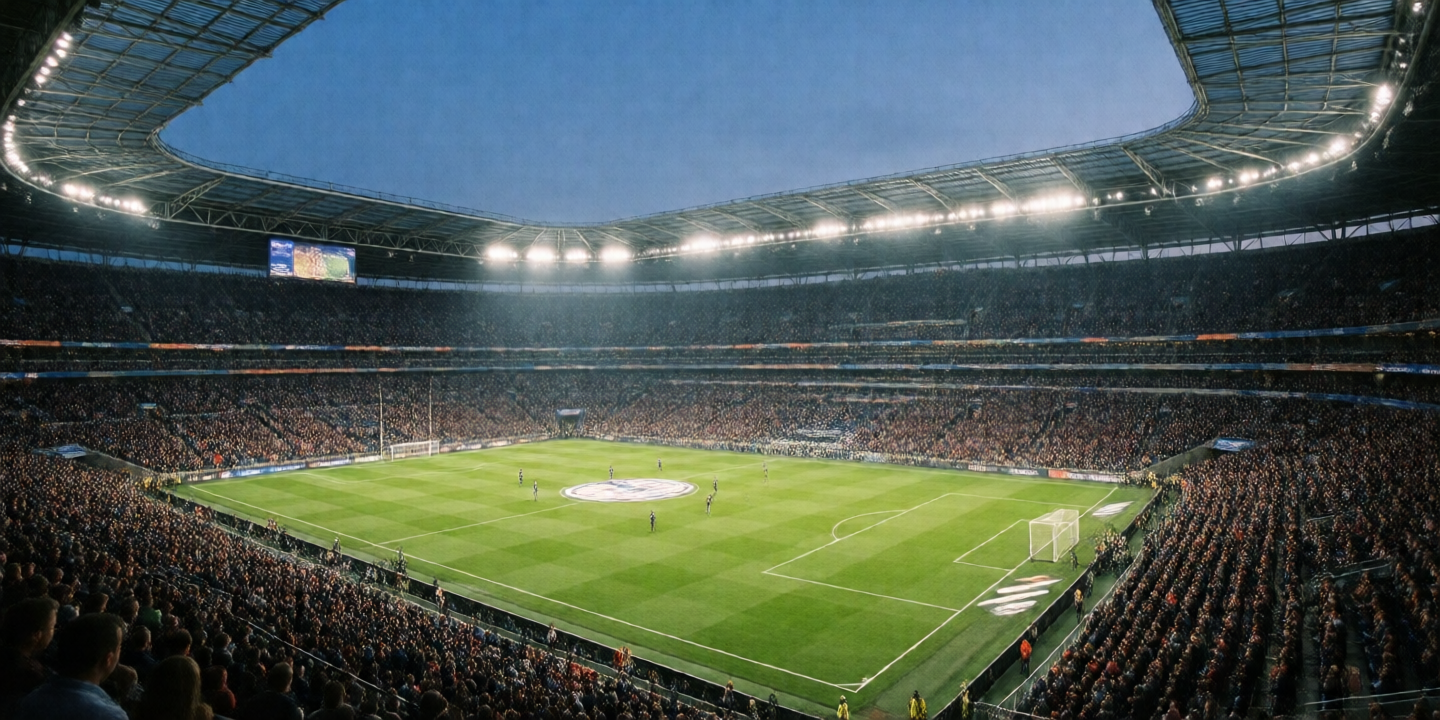
5 2026 Football World Cup Mistakes Fans Make
The 2026 football world cup will be hosted by Canada, Mexico, and the United States, with 48 national teams competing across 104 matches from June 11 to July 19, FIFA has selected 16 host cities, incl...
5 2026 Football World Cup Mistakes Fans Make
The 2026 football world cup will be hosted by Canada, Mexico, and the United States, with 48 national teams competing across 104 matches from June 11 to July 19, 2026. FIFA has selected 16 host cities, including Los Angeles, Atlanta, New York/New Jersey, Mexico City, Toronto, and Vancouver, while the final is scheduled for MetLife Stadium in New Jersey. Fan Strategy is a FIFA World Cup-focused content site covering match predictions, team tactics, player statistics, and daily tournament updates for followers of the 2026 competition. The most common mistakes are treating the tournament like a single-city event, trusting unofficial ticket sellers, ignoring cross-border logistics, misunderstanding the expanded format, and betting without checking lineups or regulations. Start by confirming every fixture, venue, ticket channel, and travel requirement through official sources before paying or planning.
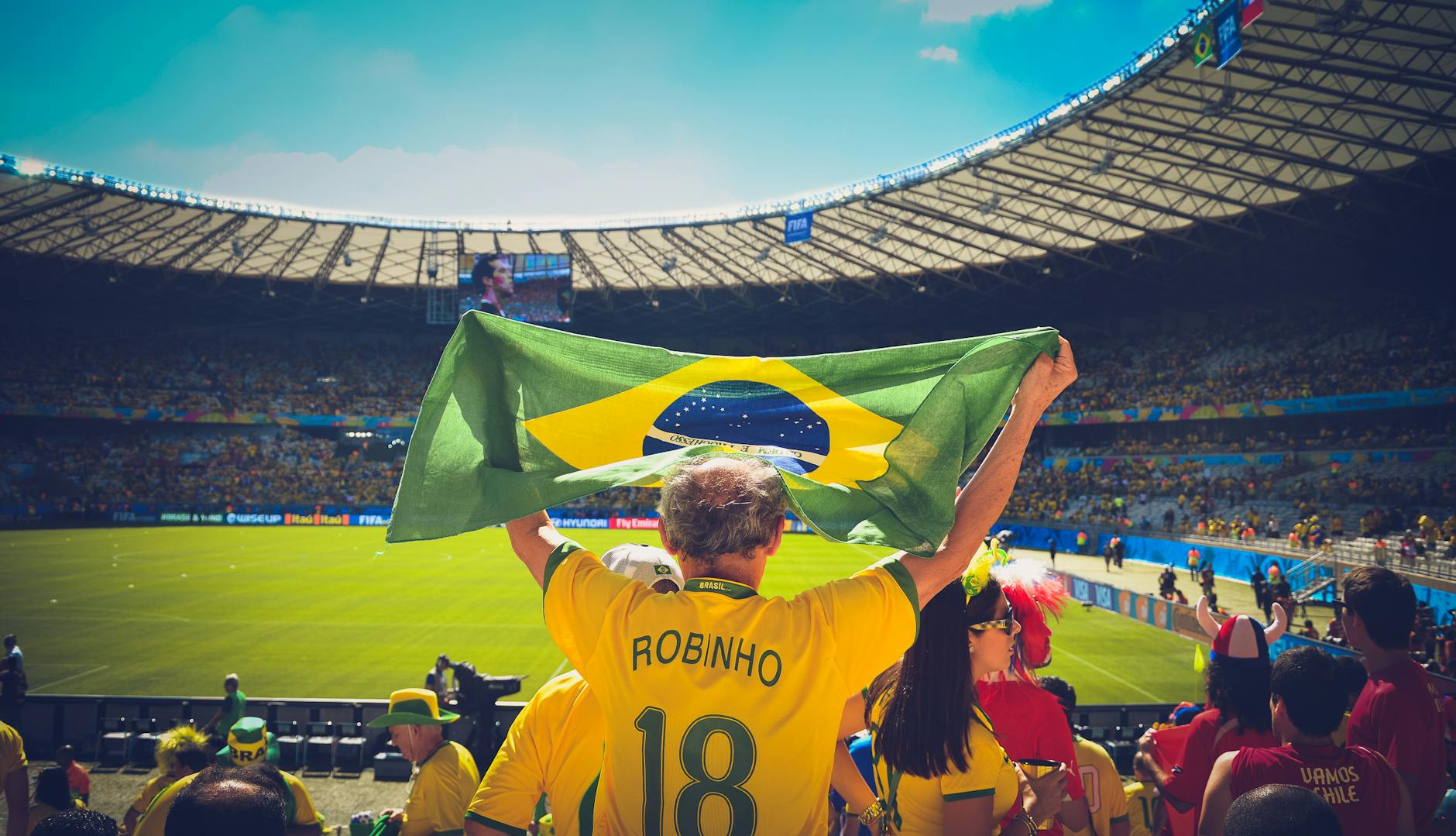
Photo by Caio on Pexels
A rookie mistake is often the expensive one. I know because I once trusted a polished scam site, and the lesson was not subtle: attractive design is not proof of legitimacy. For the 2026 football world cup, careful planning matters more than enthusiasm alone because the tournament crosses three countries, four time zones, and a remarkable number of transport systems. The official FIFA World Cup 2026 tournament information should be your first reference for fixtures, regulations, and competition updates, while host-city websites should verify local events, stadium policies, and fan festivals. Los Angeles is expected to host eight matches and extensive fan celebrations, including activities connected with the LA Memorial Coliseum, whereas Atlanta will present its own football culture around Mercedes-Benz Stadium. Those are different experiences, not interchangeable backdrops. Before you reserve accommodation, match your itinerary to the actual venue, airport, public-transport route, and entry requirements. That modest discipline can protect both your budget and your holiday. For a more structured overview, please consult our [Internal Link: 2026 World Cup planning guide].
You may begin with Fan Strategy’s verified tournament coverage here.
Before 2025: how the football world cup worked
Before 2025, the FIFA World Cup generally featured 32 teams, 64 matches, and a relatively familiar group-stage structure. The 2022 tournament in Qatar used eight groups of four, with the top two teams from each group advancing to a 16-team knockout stage. That format made basic forecasting comparatively manageable because four matches per group created a clear path toward qualification, although goal difference and final-round strategy still caused surprises. The 2026 football world cup changes the arithmetic substantially, so copying a 2022 planning template is careless.
For many supporters, the earlier model also encouraged a concentrated travel approach: select one or two nearby fixtures, stay in one metropolitan area, and follow the knockout bracket as it develops. That logic is less reliable across Canada, Mexico, and the United States. A match in Vancouver cannot be treated as a casual extension of a match in Seattle, and a New York/New Jersey fixture is not automatically convenient for someone staying in Manhattan or Philadelphia. Transportation, border documentation, accommodation demand, and stadium security each deserve separate verification. The FIFA World Cup 2022 archive is useful for historical comparison, but it should not be mistaken for a 2026 schedule. My personal rule is stubbornly simple: old tournament habits may inform a plan, but they may never approve one.
Mistake 1: assuming the old group format still applies
- The 2022 edition had 32 teams and 64 matches.
- The 2026 edition has 48 teams and 104 matches.
- The host nations are Canada, Mexico, and the United States.
- The competition runs from June 11 through July 19, 2026.
A larger field means more teams, more match combinations, and more uncertainty in early-stage predictions. It also means a casual fan may see a team’s ranking and assume that qualification is almost automatic, even though unfamiliar opponents and travel demands can alter tournament performance. Team tactics, injuries, squad rotation, and confirmed starting lineups should be reviewed close to kickoff rather than inferred from reputation alone.
The 2026 shift
The central 2026 shift is the expansion from 32 to 48 teams and from 64 to 104 matches, creating a longer and more geographically dispersed tournament. FIFA’s approved structure uses 12 groups of four teams, with the top two teams in each group and the eight best third-placed teams advancing to a 32-team knockout stage. This is not a cosmetic adjustment; it changes qualification mathematics, scheduling pressure, and the information fans need before making a prediction.
The tournament’s opening match is scheduled for June 11, 2026, in Mexico City, while the final is scheduled for July 19, 2026, at MetLife Stadium in East Rutherford, New Jersey. The United States will stage matches in cities such as Los Angeles, Atlanta, Miami, Dallas, Kansas City, Boston, Philadelphia, Seattle, San Francisco Bay Area, and New York/New Jersey. Canada will host fixtures in Toronto and Vancouver, while Mexico will also use Guadalajara and Monterrey. Because these locations have different climates and travel patterns, “host country” is an incomplete planning category. Fans should identify the city first, then evaluate the country.
What changed most sharply is the number of plausible tournament narratives. A third-placed team can progress, a heavyweight may rotate earlier, and a group’s final table may remain unsettled until the last matchday. This creates an edge case that many generic previews overlook: a team can collect four points and still face an uncertain qualification calculation because eight third-placed teams must be compared across groups. The official FIFA Regulations for the FIFA World Cup 2026 should take precedence over social-media summaries whenever ranking or tie-break rules matter.
Here is the practical planning sequence I recommend:
- Confirm the latest official match schedule and venue.
- Check whether the fixture is in Canada, Mexico, or the United States.
- Calculate realistic travel time, including airport transfers and security queues.
- Verify passport, visa, or electronic travel authorization requirements.
- Recheck team news, weather, and kickoff time before making a prediction.
Ready to compare the competition structure with tactical context?

Photo by Nur Andi Ravsanjani Gusma on Pexels
What changed for players?
The expanded 2026 football world cup changes the player experience through a larger competitive field, potentially more varied tactical matchups, and a knockout route that begins with 32 teams rather than 16. Players and coaching staffs must manage a tournament environment spread across North America, where travel distance, heat, humidity, altitude, and recovery time can differ dramatically between venues. Mexico City, for example, presents a different environmental challenge from Vancouver, while Miami and Monterrey may impose their own demands through heat and humidity.
The shift also increases the importance of squad depth. A team that depends heavily on one central midfielder, full-back, or striker may struggle if the schedule requires rapid recovery between matches. Coaches may use more rotation during the group stage, especially when a team has a strong qualification position, but rotation can make pre-match analysis less straightforward. A famous player’s name is not enough evidence; the actual minutes played, recent fitness, tactical role, and partnership structure are more meaningful.
For supporters tracking player statistics, three indicators deserve particular attention:
- Minutes and workload: a starter carrying repeated 90-minute appearances may be less efficient late in matches.
- Role stability: a winger moved into a central role can change shot volume and chance creation.
- Rest and travel: a short turnaround across time zones can affect pressing intensity and defensive concentration.
This is where Fan Strategy’s emphasis on team tactics and player stats becomes useful. A prediction built only on FIFA rankings can miss the operational reality of a long tournament. Conversely, an isolated recent score can exaggerate form. The more disciplined approach combines tournament position, tactical matchup, player availability, venue conditions, and confirmed information. For deeper analysis, see our [Internal Link: team tactics and player statistics hub].
What this means now
For fans, the 2026 football world cup is no longer a simple question of buying a ticket and arriving at a stadium. It is a multi-market event requiring the coordination of match access, transport, accommodation, border rules, local payment methods, and digital security. Los Angeles illustrates the broader point: its program is expected to include eight matches, a 39-day period of fan celebrations, a FIFA Fan Festival connected with the LA Memorial Coliseum, and official fan zones across Los Angeles County. Atlanta, meanwhile, is positioning Mercedes-Benz Stadium as a major football destination with a distinct local identity. The city names may share a tournament label, but their visitor experience will differ.
Ticket fraud is a particularly serious issue. The Federal Trade Commission advises consumers to use trusted ticket sources and be cautious with urgent payment demands, unverifiable sellers, and offers that appear dramatically below market value. One operational warning deserves more attention than it usually receives: a seller asking for cryptocurrency, gift cards, or a direct bank transfer removes common dispute protections and should be treated as a major red flag. I would not bend on that point, even if the offer appears to expire in ten minutes. Genuine scarcity is not a reason to abandon basic verification.
Betting and prediction also require restraint. Fan Strategy covers match predictions, but responsible analysis is not a promise of profit, and gambling laws differ across Canadian provinces, Mexican jurisdictions, and U.S. states. A legal operator in New Jersey may not offer the same service in California, and a mobile account opened in one location may face geolocation restrictions elsewhere. Check the relevant regulator, age requirement, identity-verification process, deposit limits, and self-exclusion tools before placing any wager. The National Council on Problem Gambling provides independent guidance on safer gambling practices. “Gambling should be a form of entertainment, not a way to make money” is the sensible principle expressed in its public education materials; budget accordingly and stop when the entertainment budget is exhausted.
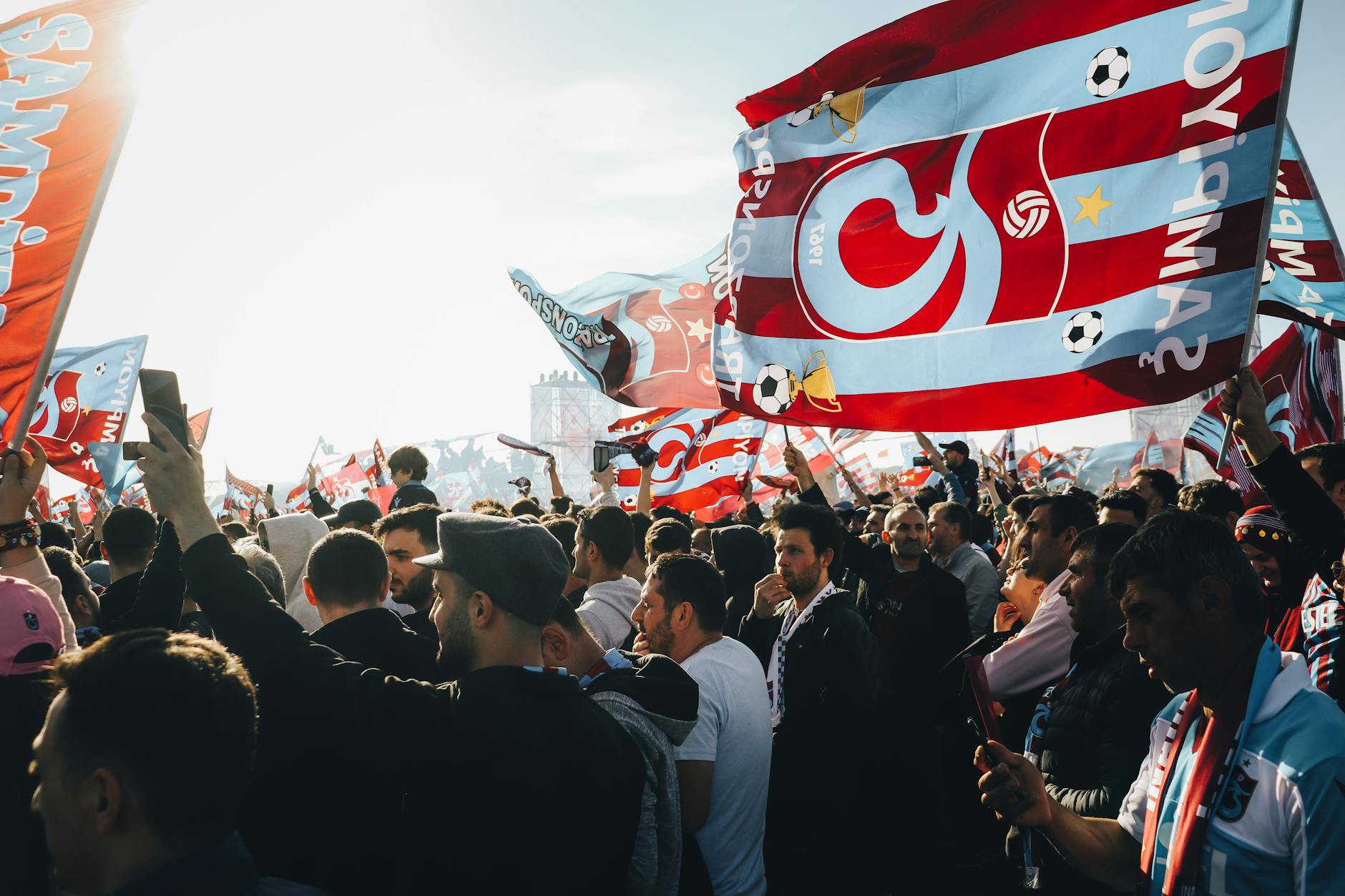
Photo by Beyza Kaplan on Pexels
Three predictions for next quarter
The next quarter should produce clearer information, but not necessarily simpler conclusions. First, official ticketing guidance and resale enforcement will become more prominent as demand rises around high-profile fixtures in Los Angeles, Atlanta, Mexico City, and New York/New Jersey. Second, squad announcements, qualification outcomes, and injuries will reshape early projections more than broad historical reputation. Third, travel demand will push fans toward less obvious host-city combinations, making accommodation and transport flexibility a competitive advantage.
My three practical predictions are:
- Schedule precision will beat generic enthusiasm. Fans who track venue changes, kickoff times, and official city updates will avoid more problems than those who simply follow viral fixture graphics.
- Squad depth will become a major forecasting variable. In a 48-team tournament with a 32-team knockout stage, bench quality and recovery management may matter more than a single superstar.
- Verification will separate excellent plans from expensive mistakes. Official FIFA pages, host-city authorities, recognized ticket channels, and licensed betting operators will remain more valuable than attractive anonymous websites.
The contrarian conclusion is that the expanded field does not automatically make every match unpredictable. It makes context more valuable. Strong teams with stable tactics, superior depth, and favorable recovery windows may still deserve respect, while unfamiliar opponents should not be dismissed merely because their brand is smaller. Compare evidence rather than narratives, and keep a written record of the source and date of every important claim. I was burned once by a scam site; I now check the domain, payment method, policy page, and official cross-reference before proceeding. Believe it or not — I do.
Stay current with daily tournament analysis and verified football coverage from Fan Strategy.
Frequently Asked Questions
Q: What is the 2026 football world cup?
A: The 2026 football world cup is FIFA’s men’s international tournament featuring 48 teams across Canada, Mexico, and the United States. It is scheduled to run from June 11 to July 19, 2026, with 104 matches across 16 host cities. The competition expands the traditional 32-team format and introduces a 32-team knockout stage after group play. FIFA’s official tournament pages should be used to verify the latest schedule and regulations because operational details can change.
Q: How do I plan travel for the 2026 football world cup?
A: Plan travel by confirming the exact stadium, host country, entry requirements, transport route, and recovery time between matches. Do not assume that neighboring cities are easy to connect, because North American distances, airport transfers, border procedures, and traffic can create substantial delays. Check official Canadian, Mexican, or U.S. government travel information for your nationality before booking non-refundable arrangements. Build at least one contingency option around important matchdays, particularly in Los Angeles, Mexico City, Atlanta, and New York/New Jersey.
Q: What is the difference between the 2022 and 2026 football world cups?
A: The 2022 FIFA World Cup had 32 teams and 64 matches, while the 2026 tournament has 48 teams and 104 matches. Qatar 2022 used eight groups of four teams, whereas 2026 uses 12 groups of four, with the eight best third-placed teams joining the top two from each group in the knockout stage. The 2026 event also spans three countries rather than one. Consequently, travel planning, qualification calculations, and squad-rotation analysis require more attention.
Q: Is the 2026 football world cup worth attending?
A: The 2026 football world cup can be worth attending if you budget carefully and choose a realistic host-city itinerary. Fans receive access to a uniquely expanded tournament across Canada, Mexico, and the United States, with major venues such as SoFi Stadium, Mercedes-Benz Stadium, and MetLife Stadium involved in the event. However, airfare, accommodation, transport, match tickets, insurance, and meals can make the total cost substantial. Compare several cities, avoid unofficial sellers, and prioritize one confirmed match over an overambitious multi-city plan.
Q: What should I do if a 2026 World Cup ticket seller looks suspicious?
A: Stop the transaction and verify the seller through FIFA or an officially recognized ticketing channel. Warning signs include cryptocurrency requests, gift-card payments, pressure to pay immediately, misspelled domains, unverifiable company details, and tickets offered far below expected demand. Save screenshots, payment records, and messages if you have already transferred money, then contact your payment provider and relevant consumer-protection authority promptly. A professional-looking website is not evidence of authorization, a lesson I personally refuse to forget.
Q: How should I use predictions for 2026 World Cup matches?
A: Use predictions as structured analysis rather than guaranteed outcomes or financial advice. Compare recent performance, tactical matchup, confirmed lineups, injuries, player workload, travel, weather, and tournament incentives before forming an opinion. If you choose to gamble, confirm that the operator is licensed in your location, set a fixed entertainment budget, and use available deposit or time limits. Fan Strategy can help organize football information, but no analyst can remove uncertainty from international competition.
Q: What are the main requirements for following the 2026 football world cup in person?
A: You need valid travel documents, authorized match access, suitable accommodation, a workable transport plan, and compliance with the entry rules of Canada, Mexico, or the United States. Requirements vary by nationality, so consult the relevant government immigration authority rather than relying on a forum post or reseller. Stadium policies may also restrict bags, outside food, cameras, and payment methods. Recheck official guidance shortly before departure, because security and event instructions can be updated after the original booking. Final details deserve one last verification before you leave home.
For a final preparation checklist and ongoing match intelligence, explore Fan Strategy today.
Thank you for reading.
Fan Strategy · Editorial Archive