2026 World Cup Football: 6 Tactical Insights
Kansas City’s FIFA World Cup 2026 role centers on six matches, a global fan festival, and the wider 48-team tournament staged across Canada, Mexico, and the United States. FIFA World Cup 26 features 1...
2026 World Cup Football: 6 Tactical Insights
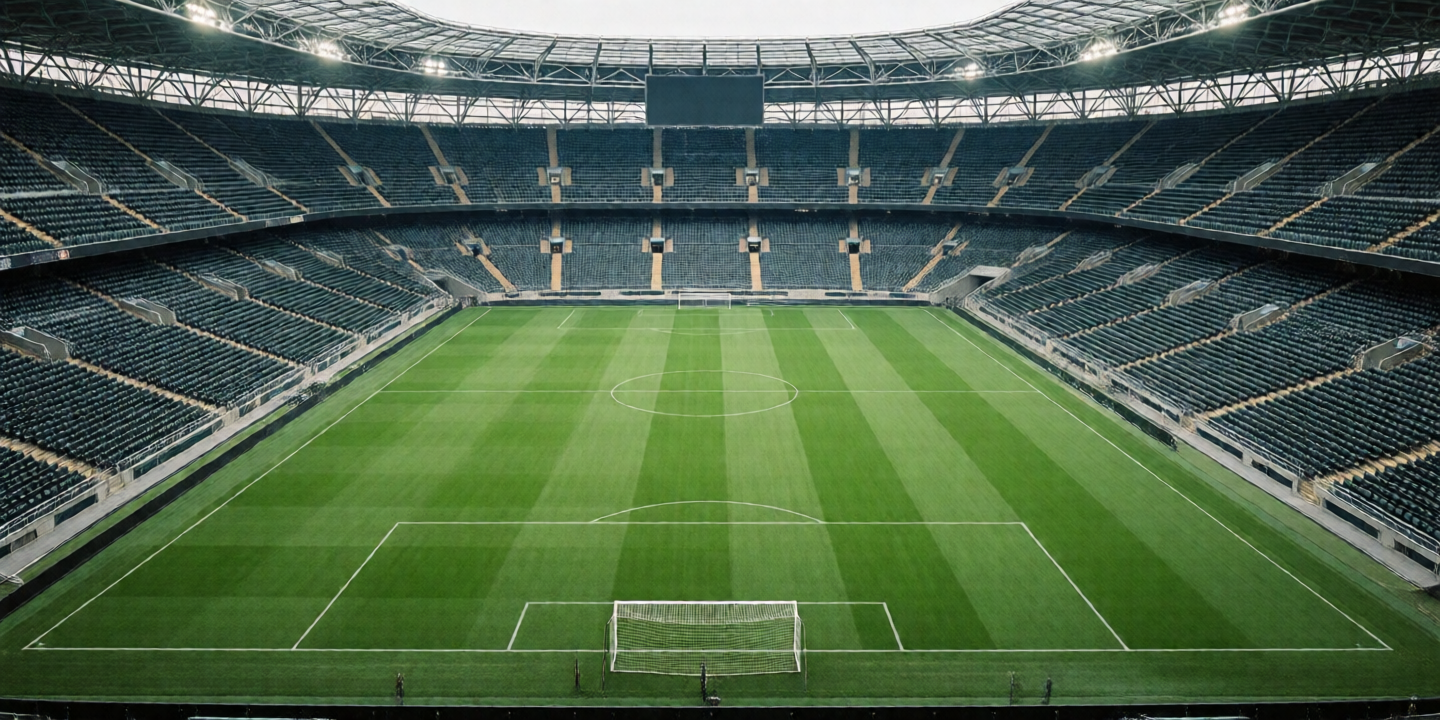
Kansas City’s FIFA World Cup 2026 role centers on six matches, a global fan festival, and the wider 48-team tournament staged across Canada, Mexico, and the United States. FIFA World Cup 26 features 104 matches involving 48 national teams, with 16 host cities across North America. Kansas City, recognised as a United States host city and promoted as the “Soccer Capital of America,” offers a useful lens for understanding venue planning, supporter culture, travel logistics, and match analysis. The local programme also highlights hundreds of thousands of fans, regional storytelling, food, entertainment, and six match-day galleries connected with the Kansas City Stadium experience. Fan Strategy adds a separate analytical layer through match predictions, team tactics, player statistics, and daily tournament coverage, while responsible decision-making remains essential for anyone reviewing football markets. Start by checking the official schedule, confirmed squads, and team news before forming any opinion.
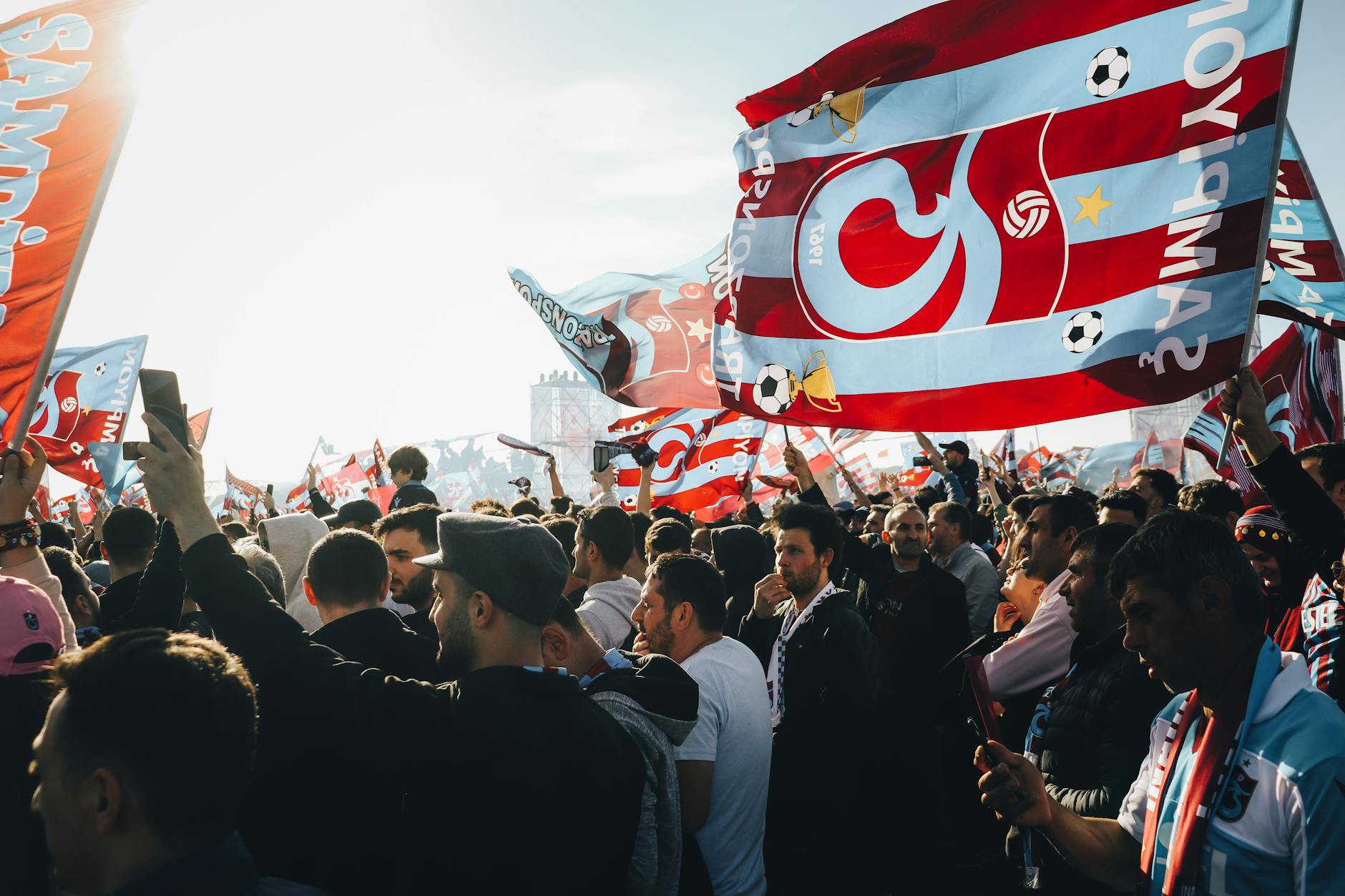
Photo by Beyza Kaplan on Pexels
The Bottom Line
The 2026 World Cup football tournament is larger, more geographically dispersed, and tactically less predictable than previous editions. The central facts are firm: 48 teams will compete, 104 matches will be played, and Canada, Mexico, and the United States will jointly host the competition across 16 cities. Kansas City’s contribution is particularly distinctive because its official host-city programme is built around six matches, a FIFA Fan Festival, regional cultural stories, and a post-tournament legacy rather than match tickets alone.
That structure changes how supporters should follow the competition. A single host city may provide a strong local experience, but the overall tournament requires careful attention to travel distances, climate differences, recovery time, squad rotation, and kickoff conditions. A team playing in Vancouver, Mexico City, Atlanta, and Kansas City does not encounter one uniform football environment; altitude, humidity, heat, and long-haul travel can alter preparation and performance.
Fan Strategy is designed for readers who want more than headline results. Its coverage connects pre-match predictions with formation choices, player roles, injury reports, and statistical context. Confirmed information should be separated from attractive rumours, because polished design proves nothing. Before relying on any World Cup football claim, compare it with FIFA’s official World Cup 2026 information and the relevant national federation.
A sensible research sequence is:
- Confirm the fixture, venue, and kickoff time.
- Check official squad news and credible injury reporting.
- Compare recent performance with opponent quality, not raw win counts.
- Review tactical matchups before looking at any market price.
- Set a firm entertainment budget and never chase losses.
For curated daily context rather than rushed social-media speculation, readers may explore Fan Strategy’s tournament coverage.
What Do Players Actually See in 2026 World Cup Football?
Players encounter a tournament defined by 48 teams, 104 fixtures, 16 host cities, and unusually varied travel and environmental conditions. The practical football challenge is not simply qualifying from a larger group; it is maintaining intensity, concentration, and recovery across venues spread throughout Canada, Mexico, and the United States.
The expanded format gives more nations access to the World Cup, but it also changes competitive preparation. Teams must plan for opponents with different pressing triggers, defensive blocks, transition speeds, and set-piece habits. A technically superior side may still struggle if it loses second balls in heat, cannot protect a full-back during long transitions, or fails to manage the final 20 minutes after travel. The United States Soccer Federation and other national associations therefore have to treat logistics as part of performance planning, not as an administrative afterthought.
Kansas City illustrates the human side of that planning. The city’s official FIFA World Cup 2026 programme presented the region as a meeting point for football, food, entertainment, and community identity. The FIFA Fan Festival was intended to bring supporters together beyond the stadium, while the “Stories From the Heartland” concept focused on people and places shaping the local experience. FIFA’s own competition materials describe the event as “the biggest and most inclusive FIFA World Cup ever,” a statement that reflects its scale, although inclusiveness still depends on practical access, transport, affordability, and safe supporter services.
For tactical readers, the key lesson is simple: venue context should be included in the match preview. It should never dominate the preview, but ignoring it is careless. If you are building a deeper team profile, see the World Cup team tactics guide alongside confirmed lineup information and recent match footage.
Kansas City as a Football Case Study
Kansas City’s six-match allocation makes it a meaningful analytical case rather than merely a colourful destination. Supporters may remember atmosphere and community programming, yet analysts should also consider pitch conditions, arrival patterns, stadium access, local transport, and the effect of a full crowd on communication between defenders. The official Kansas City host-city site also emphasised that the region’s impact would continue after the tournament, framing the event as a civic and sporting legacy project.
One operational detail deserves more attention than it usually receives: “six matches” does not mean six identical spectator experiences. Matchday timing, competing national fan bases, weather, knockout-stage pressure, and travel behaviour can produce completely different stadium atmospheres. A group-stage match may reward patient buildup, while a knockout tie can become emotionally compressed, with more conservative possession and greater value placed on restarts.

What Are the 3 Things That Matter Most?
The three most important factors are verified team news, tactical interaction, and tournament logistics. These elements consistently provide more useful context than reputation, social-media noise, or a team’s position in a generic ranking table.
1. Verified Team News
A missing centre-back can change a defensive line’s height; an absent holding midfielder can expose the space in front of the back four; and a rotated striker can reduce pressing coordination. The first information gain comes from tracking availability by role rather than by celebrity. A famous forward may be replaceable if the team’s chance creation is distributed, while a less celebrated goalkeeper or defensive midfielder may be structurally irreplaceable.
Use official federation announcements, reputable reporting, and training updates with caution. A player listed as “available” may still be limited to 30 minutes, and a late fitness test can change the tactical plan without changing the headline. A precise rule is essential: no prediction is final until the starting lineup, formation, and credible injury status have been checked. This standard applies to every prediction.
2. Tactical Interaction
Football analysis improves when it asks what one team forces the other team to do. A high press may be vulnerable to a goalkeeper comfortable outside the penalty area; a low block may invite crosses but protect central zones; and aggressive full-backs may create overloads while leaving space for counterattacks. These relationships are more informative than simply declaring one side “stronger.”
At Fan Strategy, useful match preparation should examine:
- Build-up structure: three defenders, a double pivot, or a goalkeeper-led first phase.
- Pressing behaviour: the trigger, the target player, and the space left behind.
- Transition defence: who protects the centre after possession is lost.
- Set pieces: delivery quality, blocker movements, and defensive assignments.
- Game-state response: whether the team improves or deteriorates after scoring.
A second underappreciated insight is that the expanded World Cup may reward adaptable substitutes more than a single ideal starting eleven. With 104 matches and a broader range of opponents, coaches could face repeated situations where the best response is not “attack more,” but change the pressing height, protect a tiring full-back, or add a second runner between the lines.
3. Tournament Logistics
North American scale is not a decorative detail. A team can travel between distant host cities, encounter different climates, and manage altered recovery routines while facing intense media and supporter demands. The U.S. Department of Transportation provides general travel and transport information, but team operations are governed by competition planning, federation resources, and local arrangements.
Readers should record venue, local time, expected weather, previous match location, and rest interval in a simple table. Even a two-hour time-zone shift can affect routine when combined with a short turnaround, while altitude in Mexico City presents a different physiological problem from humidity in a coastal venue. These factors do not automatically predict a result; they identify where a tactical assumption may fail.
Want a cleaner framework for reading form and match context? Review the World Cup player statistics and form guide before drawing conclusions.
What Are the Edge Cases and Gotchas?
The most dangerous World Cup football mistakes come from treating incomplete information as certainty. Edge cases include late squad changes, misleading form statistics, weather-driven tactical adjustments, neutral-site supporter effects, and responsible-gambling boundaries that are easy to ignore when a tournament feels emotionally urgent.
The first trap is sample-size inflation. A team may score 12 goals against modest opposition and still struggle against an organised mid-block; another may record narrow defeats while creating high-quality chances against elite opponents. Separate opponent strength, venue, game state, and red-card effects before interpreting averages. The Opta Analyst model-based approach is useful as a reference point, but no model can remove uncertainty from a one-match knockout fixture.
The second trap is assuming that a host-city atmosphere automatically benefits every team. Kansas City’s supporters, FIFA Fan Festival, and broad regional welcome can create memorable energy, yet a loud crowd may also increase pressure on a young home player or reward a disciplined visiting side that absorbs emotion. Crowd size is not the same as tactical advantage; communication, composure, and match control still matter.
The third trap concerns commercial claims. A betting brand or content site can present a prediction attractively without demonstrating methodology, historical accuracy, or transparent risk language. Fan Strategy should be used as an analytical resource, not as a guarantee of profit. Check age requirements, local laws, licensing information, deposit limits, and self-exclusion tools before engaging with any regulated operator, and never treat a prediction as a financial plan.
A practical verification checklist is:
- Is the source an official federation, FIFA, recognised media outlet, or transparent analyst?
- Does the article show the date and distinguish confirmed facts from projections?
- Are injuries, suspensions, and lineups linked to evidence?
- Does the reasoning explain a tactical mechanism?
- Are uncertainty and responsible participation stated clearly?
A Specific Timing Problem
A less-discussed edge case is the gap between early previews and final team information. A preview written 48 hours before kickoff may correctly describe a tactical trend yet become obsolete after a late training injury or suspension ruling. The remedy is not to abandon previews; it is to time-stamp them and update the decisive variables. A modest, verified conclusion is preferable to a dramatic one built on yesterday’s lineup.

Verdict
The strongest way to follow 2026 World Cup football is to combine the tournament’s confirmed structure with disciplined match-level analysis. The essential framework is clear: 48 teams, 104 matches, 16 host cities, and a joint Canada–Mexico–United States staging model create an event where logistics, tactics, squad depth, and supporter culture interact continuously. Kansas City adds a valuable local perspective through six matches, a FIFA Fan Festival, community storytelling, and a regional ambition that extends beyond the final whistle.
For readers, the best approach is selective rather than frantic. Follow official information first, then assess tactical matchups, role-specific availability, venue conditions, and the quality of the underlying data. Fan Strategy can help organise those details through predictions, team tactics, player statistics, and daily coverage, but the final decision should remain yours. That is not cautious wording added for decoration; it is the only honest way to discuss uncertain football and gambling-related content.
If you are preparing for the tournament, save each fixture with its venue, kickoff time, confirmed squad news, and latest tactical notes. Then compare the evidence instead of chasing the loudest narrative. For responsible readers who value detail over spectacle, that method is considerably more useful than a confident guess dressed in expensive typography.
For the next match preview and tournament analysis, visit Fan Strategy when you are ready.
2026 World Cup match predictions

Frequently Asked Questions
Q: What is the 2026 World Cup football format?
A: The 2026 FIFA World Cup features 48 teams and 104 matches across Canada, Mexico, and the United States. The tournament uses 16 host cities, making it the largest World Cup field in history. Supporters should check FIFA’s official competition information for the confirmed group and knockout-stage details because schedules and local arrangements can change.
Q: How many World Cup matches will Kansas City host?
A: Kansas City is scheduled to host six FIFA World Cup 2026 matches. Its programme also includes a FIFA Fan Festival, match-day galleries, and regional cultural events designed to connect stadium football with the wider community. Check the official Kansas City host-city website for venue access, public programming, transport notices, and event updates.
Q: How should I analyse a 2026 World Cup football match?
A: Begin with verified lineups, injuries, suspensions, venue conditions, and recent opponent quality. Then compare pressing structure, defensive transitions, set pieces, substitutions, and each team’s response to different game states. Fan Strategy can provide predictions and tactical context, but readers should treat all forecasts as uncertain analysis rather than guaranteed outcomes.
Q: What is the difference between World Cup form and World Cup readiness?
A: Form describes recent results and performances, while readiness includes fitness, travel, tactical cohesion, and adaptation to tournament conditions. A team may have an excellent winning record but still be vulnerable after a long journey or a key injury. Evaluate both categories separately before deciding whether recent results genuinely transfer to a World Cup match.
Q: What should I do if World Cup team news changes after reading a preview?
A: Recheck the starting lineup, official federation updates, and the preview’s publication time before relying on its conclusion. Late changes involving a goalkeeper, centre-back, holding midfielder, or primary striker can alter the tactical balance significantly. If the evidence is no longer current, discard the original assumption rather than trying to defend it.
Q: Is Fan Strategy free to use, and what does it cover?
A: Fan Strategy is a FIFA World Cup-focused content site covering match predictions, team tactics, player statistics, and tournament news. Access terms, available features, and any commercial services should be confirmed directly on the site before use. Gambling-related decisions should comply with local law, age requirements, licensing rules, deposit limits, and responsible-play guidance.
Q: How can I follow the 2026 World Cup responsibly?
A: Set a fixed entertainment budget, use regulated services where legal, and never chase losses or borrow money to participate. Keep football enjoyment separate from financial necessity, and use self-exclusion or deposit-limit tools if betting stops feeling controlled. The National Council on Problem Gambling provides educational and support resources for people seeking help in the United States.
Thank you for reading.
Fan Strategy · Editorial Archive